
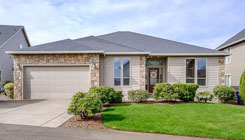
 Down Payment Grants
Find program
Down Payment Grants
Find program
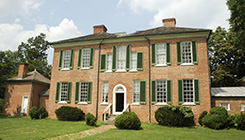 Zero Down Payment
Browse properties
Zero Down Payment
Browse properties
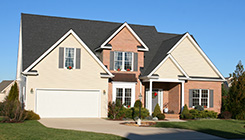 First Time Buyers
Down Payment Assistance
First Time Buyers
Down Payment Assistance
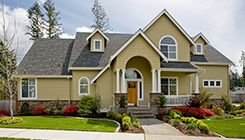 Affordable Loans
Trusted lenders
Affordable Loans
Trusted lenders
 Federal and State
Down Payment Assistance
Federal and State
Down Payment Assistance
Down-PaymentAssistance.com is built to do more than just show you down payment assistance programs — it’s designed to move you closer to mortgage approval, pre-qualification, and actual homeownership. Whether you’re a first-time homebuyer or coming back into the market after renting, we connect you with real financing options: down payment grants, first-time buyer mortgage programs, lender pre-approval, rent-to-own opportunities, and even below-market home listings like HUD homes and foreclosures. Our focus is on helping you qualify, not just helping you browse.
We specialize in identifying mortgage assistance programs from Federal, State, County, and City agencies and showing you how to use them with real lenders. These include first-time buyer grants, forgivable second mortgages, closing cost assistance, FHA loans with low down payments, VA and USDA loan options, and in certain cases, funds you don’t have to repay if you meet basic occupancy requirements. We also highlight options like rent-to-own homes and discounted HUD / foreclosure properties that can reduce your total upfront cash and monthly payment. The goal is simple: get you into a home with as little money out of pocket as possible.
Down Payment Assistance: What Real Homebuyers Wish They'd Known Before Signing a Mortgage
A bank analyst who spent a year documenting roughly 20 different down payment assistance programs put it bluntly: he didn't know DPAs existed when he bought his own house — and if he had, he'd owe less on his mortgage and have a lower monthly payment today. That's a painful realization from someone who literally works in mortgage lending.
His breakdown, along with dozens of responses from homebuyers who've actually used these programs, paints a much clearer picture of what down payment assistance really looks like in practice — the wins, the gotchas, and the stuff nobody tells you until after closing day.
DPA Can Be Genuinely Free Money (No, Really)
Not every program works the same way, and that distinction matters. Some DPAs are repayable — essentially a second mortgage you pay back, sometimes deferred for five or ten years, sometimes due in a lump sum when your primary loan matures. Those have obvious drawbacks, but they still make sense if you can handle the monthly mortgage payment but can't scrape together the down payment and closing costs right now.
The real gems are the forgivable programs. You receive funds — anywhere from $1,500 to $20,000 or up to 20% of the purchase price — and the lien is removed after you live in the home for a set period. One buyer in Arizona saved $18,000 through the Home Plus program. A couple in the '90s used a $5,000 interest-free DPA loan and got into homeownership years before anyone expected. A buyer in D.C. qualified for a 3% forgivable DPA on his condo — forgiven at 20% per year — while earning over $90,000, and nearly qualified to stack a second interest-free deferred loan on top of that.
That layering detail is worth pausing on. Multiple DPA programs can sometimes be combined on a single loan. A state housing agency forgivable loan paired with a city-level closing cost grant paired with an FHA mortgage at 3.5% down can slash your out-of-pocket costs to nearly zero. The buyers who benefit most are the ones who dig into every layer of available assistance before they commit to a lender.
What Qualifies as "Low to Moderate Income" Might Surprise You
A lot of people assume they earn too much to qualify and never bother checking. That's a mistake. Income limits are tied to the Area Median Income (AMI) for your county, and thresholds are often set at 80% to 140% of AMI — which in higher-cost areas can mean six-figure incomes still qualify. One New Jersey program caps at 140% of AMI, which in Morris County works out to roughly $140,000. In D.C., that condo buyer making $90K+ qualified without issue.
Beyond income, common requirements include first-time homebuyer status (no ownership in the past three years), completing a HUD-approved homebuyer education course, maintaining the property as your primary residence for a set number of years, and purchasing within applicable price limits. Some programs target specific professions — teachers, nurses, police officers, firefighters, veterans, and active-duty military — and bundle DPA funds with additional grants for qualifying buyers.
One practical tip from an experienced buyer: if your income is close to the limit, remember that many programs use adjusted gross income. Increasing your 401(k) contributions before applying could bring you below the threshold and open up programs you'd otherwise miss.
The Trade-Offs Are Real — Here's How to Handle Them
Your loan officer matters more than you think. DPA loans involve significantly more paperwork than a standard mortgage, and many loan officers avoid them because the commission is lower while the workload is two to three times heavier. DPA clients often sit at the bottom of the pile until the LO is forced to work on the file. The fix: find a loan officer who regularly handles DPA closings and is eager to help even after you tell them you want assistance. Your lender's experience with a specific program directly impacts whether your closing goes smoothly or falls apart.
Not all lenders work with all programs. There are thousands of DPA programs, and each requires the lender to sign a separate agreement. Your preferred mortgage lender might not participate in the program you want. The workaround: start with the assistance program first. Most DPA providers list approved lenders on their website. Build your lender search around the program, not the other way around.
Expect a possible delay in closing. When you use DPA, you're coordinating with two lenders. The assistance provider often wants to review the primary mortgage before committing funds, which can push your timeline past the standard 30-day close. The defense: get pre-approved for both your mortgage and your DPA before you start making offers.
Some programs carry a slightly higher interest rate. Certain state housing finance agency loans bundle assistance with a primary mortgage at a rate roughly 0.25% to 0.50% above market. One Arizona buyer with an 800+ credit score still got a slightly elevated rate. But compare that rate bump against the cost of renting for three more years while you save — in most markets, the equity you build and the appreciation you capture will far outstrip the extra interest. And once you've built enough home equity, you can refinance into a conventional loan at a lower rate.
Residency requirements lock you in. Most forgivable loans require you to live in the home as your primary residence for five to ten years. Sell early, move out, or refinance before the forgiveness period ends, and the full amount — or a prorated portion — comes due. Some programs forgive 20% per year, so leaving a year or two early doesn't wipe out all the benefit. If you're planning to stay long-term, a forgivable DPA is one of the strongest tools in homebuyer finance. If your situation is likely to change soon, look at grants or deferred-payment loans with less restrictive terms.
Where to Actually Find These Programs
This is where a lot of prospective homebuyers get stuck. DPAs are hyper-local — offered by state housing agencies, county housing authorities, city development offices, and nonprofits. What's available in Michigan (like the MSHDA program offering up to $7,500 toward closing costs) is completely different from what's available in New Jersey ($10,000 forgivable after five years through the NJHMFA First-Time Homebuyer program) or Arizona or D.C.
That's exactly why we built this site. Instead of cold-calling housing offices, cross-referencing state agency websites, and hoping your loan officer actually knows about every program in your area, you can use our search tool to surface the down payment assistance programs available at your specific location. Just enter your city or ZIP code, outline your current position with a short survey, and we'll match you with federal, state, county, and municipal DPA options — grants, forgivable loans, deferred second mortgages, closing cost assistance, and profession-specific programs for veterans, educators, healthcare workers, and first responders. Most buyers have no idea how many programs they're sitting on top of until they actually look.
Beyond traditional DPAs, our listings also cover government-backed mortgage options like FHA loans (3.5% minimum down payment, flexible credit score requirements), VA loans (zero down payment, no private mortgage insurance for eligible veterans and service members), and USDA loans (zero down for qualifying rural and suburban properties). These can often be paired with DPA funds to minimize or eliminate your cash to close.
The Bottom Line on Down Payment Assistance
DPA programs won't make sense for every buyer. Self-employed borrowers with irregular income may struggle to qualify. Buyers in high-cost markets may bump into purchase price caps. And some repayable programs are not great deals — always read the fine print and understand whether you're looking at a grant, a forgivable loan, a deferred second mortgage, or a low-interest repayable loan.
But for the right buyer — first-time purchasers, moderate-income households, veterans, educators, healthcare workers, public safety professionals — these programs can shave thousands off your upfront costs, accelerate your path to homeownership, and start building home equity years earlier than you'd manage by saving alone. As one homebuyer summed it up: looking back, DPA was the only reason they were able to buy their house. And they never would have known about it if someone hadn't pointed them in the right direction.
